
Blog
The Role of Advanced Valves in Mitigating Water Hammer Risks in Water Systems
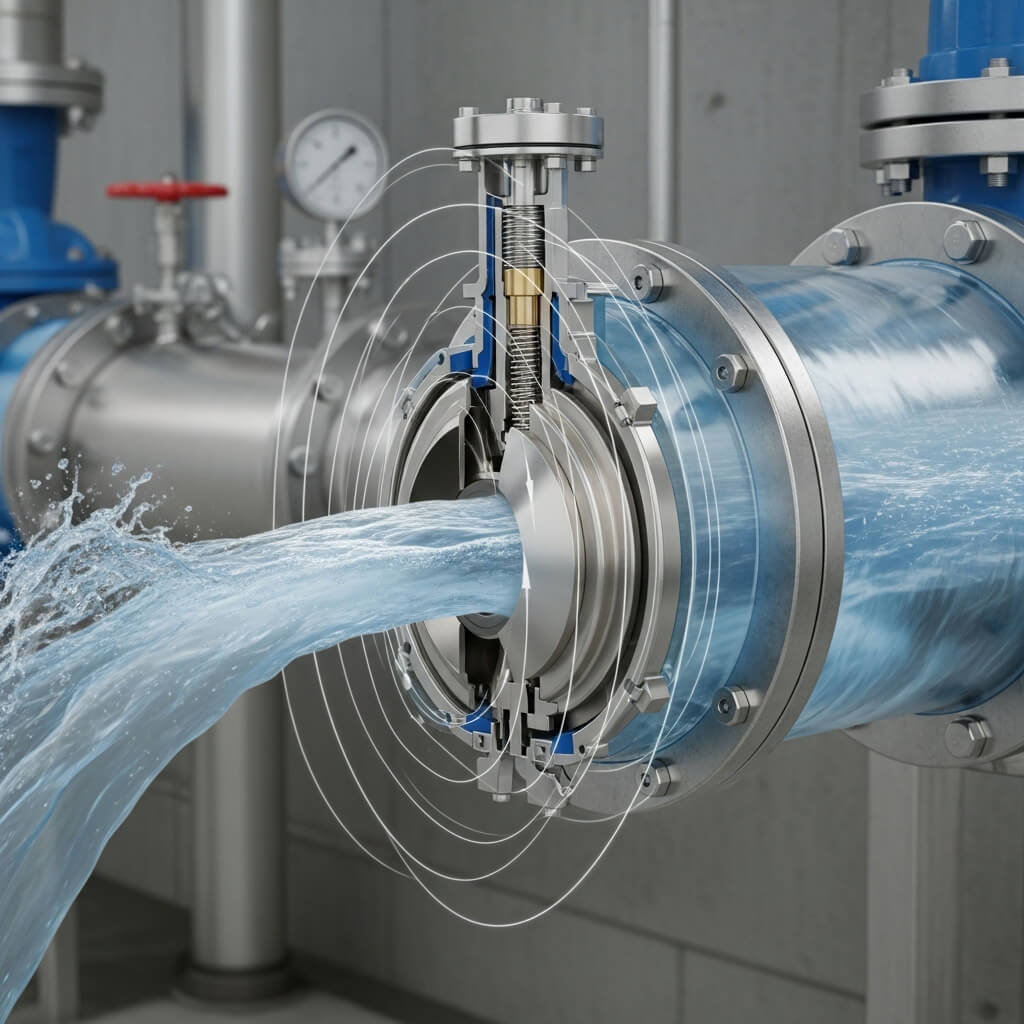
Water hammer — a sudden pressure surge caused by the rapid change of fluid velocity — remains one of the most persistent challenges in modern water systems. Left unchecked, it can lead to pipe bursts, damaged fittings, equipment failure, and costly downtime. Fortunately, advancements in valve engineering are transforming how industries manage this problem, offering smarter, more efficient solutions for long-term pipeline integrity.
Understanding Water Hammer
Water hammer occurs when a flowing liquid is forced to stop or change direction abruptly, creating a shock wave that travels through the system. This can result from quick valve closures, pump failures, or sudden load changes. Traditional control methods often relied on manual valve adjustments or basic check valves, but these solutions were limited in speed and precision.
The Rise of Advanced Valve Technology
Modern valve designs integrate advanced mechanics and automation to respond instantaneously to pressure variations. These valves are engineered to minimize the velocity changes that cause water hammer — providing smoother operation and enhanced system protection.
Some of the most effective innovations include:
Slow-Closing Check Valves: Designed to close gradually, preventing reverse flow and eliminating pressure spikes.
Air Release and Vacuum Valves: These automatically release trapped air pockets, a major contributor to water hammer events.
Surge Anticipation Valves: Equipped with sensors to detect rapid pressure drops and preemptively open to absorb surges before they cause damage.
Digital Control Valves: Integrated with smart monitoring systems, allowing operators to analyze performance in real time and adjust valve behavior remotely.
Benefits Beyond Protection
Advanced valves not only safeguard against water hammer but also contribute to overall system efficiency. They reduce maintenance needs, extend the lifespan of infrastructure, and optimize energy consumption by maintaining steady pressure conditions. In municipal water networks, industrial facilities, and irrigation systems, this translates to lower operational costs and more reliable water delivery.
Leading the Way Forward
Manufacturers today continue to push the limits of valve innovation — combining hydraulic precision with intelligent automation. As infrastructure demands evolve, the adoption of these next-generation valves becomes essential for ensuring safety, efficiency, and sustainability in water management systems.
In conclusion, advanced valves are not just components — they are critical guardians of pipeline performance. By investing in high-quality, engineered valve solutions, operators can effectively mitigate water hammer risks and ensure smooth, uninterrupted system operation for years to come.


